


Choosing reliable aluminum alloy die casting components is far more complicated than simply comparing prices. Many industrial buyers overlook hidden structural flaws, material instability, and post-processing defects that cause frequent equipment breakdowns, shortened service life, and unexpected maintenance costs. Most low-cost cast parts look identical on the surface, yet they perform poorly under high pressure, frequent vibration, and long-term outdoor operation. Understanding core quality standards and practical application pain points helps enterprises avoid repeated procurement losses and stabilize overall production efficiency.
Premium aluminum alloy die casting components solve widespread industry troubles including porosity leakage, dimensional deviation, surface cracking, and insufficient wear resistance. Unlike ordinary mass-produced castings, precision die casting adopts integrated molding technology to eliminate splicing gaps and internal stress concentration. Users no longer face frequent sealing failures, assembly mismatches, or premature fatigue damage that disrupt continuous production lines and delay project construction progress.
Long-term industrial practice proves that inferior die cast aluminum parts carry invisible risks that only appear after installation and operation. Internal tiny air holes lead to oil leakage and air leakage under pressure working conditions. Unstable alloy ratio results in low corrosion resistance, easy oxidation and rust in humid and corrosive environments. Uncontrolled molding precision causes assembly difficulty, increased processing waste, and higher overall production costs for downstream machinery and equipment.
Professional aluminum die casting manufacturer strictly controls the entire production chain from raw material smelting, mold opening precision control, high-pressure die casting forming to shot blasting, polishing, CNC finishing and anti-corrosion surface treatment. Every batch of products undergoes strict pressure testing, dimensional inspection and appearance quality screening. This full-process quality management fundamentally reduces later failure rate and greatly improves matching stability with supporting mechanical structures.
Many purchasers only focus on unit price when selecting die casting products, ignoring matching adaptability, heat resistance performance and environmental applicability. Automotive accessories, power equipment housings, mechanical structural parts and hardware connectors all have unique load-bearing and temperature requirements. Blindly selecting universal cast parts will lead to accelerated aging, deformation and fracture, bringing hidden safety hazards to equipment operation and increasing unnecessary after-sales maintenance expenses year after year.
Common Quality Defects of Aluminum Die Castings & Practical Solutions
| Defect Type | Typical Hazards | Root Causes | Reliable Improvement Methods |
|---|---|---|---|
| Internal Porosity | Leakage, pressure resistance failure, reduced structural strength | Unreasonable smelting temperature, unstable mold exhaust system | Vacuum die casting technology, standardized molten aluminum purification treatment |
| Surface Cold Shut | Easy cracking, poor paint adhesion, loose surface structure | Low injection speed, mismatched mold temperature, insufficient fluidity | Optimize casting parameters, preheat molds, adopt high-purity aluminum alloy materials |
| Dimensional Inaccuracy | Assembly interference, poor fitting tightness, repeated secondary processing | Aging deformation of molds, low machining precision tolerance control | High-precision steel molds, full-size CNC finishing, multi-point dimensional calibration |
| Poor Corrosion Resistance | Rapid oxidation, fading, rust in outdoor and humid environments | Substandard surface anodizing, insufficient passivation treatment | Professional anode oxidation, powder spraying, electroplating anti-corrosion processes |
| Low Impact Resistance | Brittle fracture under vibration and impact load | Unreasonable alloy proportion, insufficient cooling forming process | High-strength Al-Si alloy formula, stress relief aging treatment after casting |
Stable aluminum die casting performance directly affects the safety, service life and operating cost of complete mechanical equipment. For automotive chassis parts, motor housings, communication equipment shells and industrial hydraulic accessories, lightweight aluminum alloy die castings must balance high strength, low density, heat dissipation performance and dimensional stability. High-precision customized products can perfectly adapt complex special-shaped structures, reduce overall product weight, and maintain excellent pressure resistance and shock resistance at the same time.
Surface treatment quality directly determines the service environment adaptability of die casting products. Standard anodizing forms dense protective oxide film, effectively resisting moisture, dust, chemical corrosion and daily wear. Smooth and flat casting surface reduces friction loss during operation, improves heat dissipation efficiency, and makes subsequent painting, bonding and assembly operations more smooth and efficient. Unqualified surface treatment will cause paint peeling, film falling and corrosion expansion in a short period of use.
Customized die casting services, based on customer drawings and actual working conditions, avoid mismatched specifications and redundant waste. Manufacturers can adjust wall thickness, internal structure, installation hole position and process accuracy according to equipment load, working temperature and installation space. Personalized production greatly improves product applicability, reduces assembly modification costs, and achieves more cost-effective long-term procurement plans for enterprises.
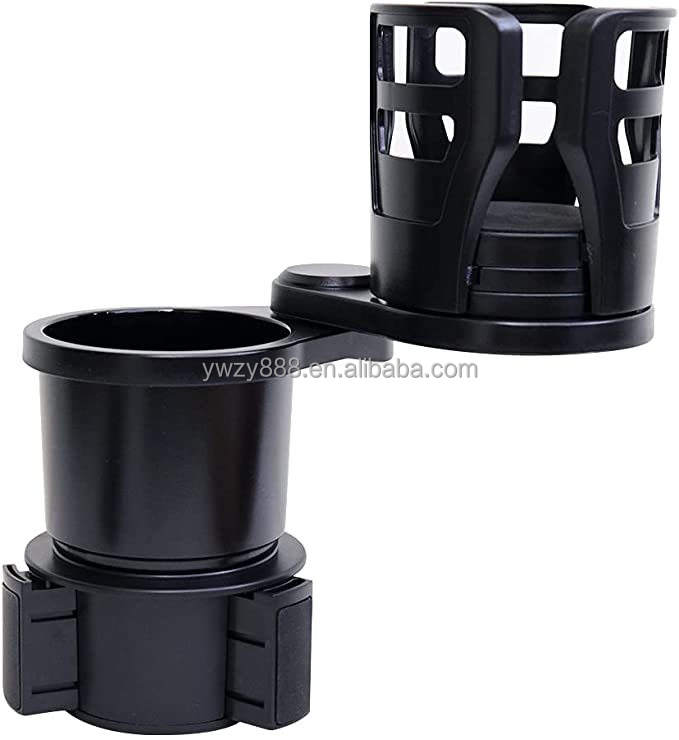
In actual industrial application, durability and batch consistency are more important than single-piece appearance quality. Stable mass production ensures that each batch of die castings has uniform material performance, consistent size tolerance and identical structural strength. There will be no random quality differences between early and later purchased goods, which ensures stable mass assembly production and uninterrupted normal operation of automated production lines.
To sum up, selecting qualified aluminum alloy die casting parts needs comprehensive judgment from material formula, molding technology, testing standards, surface treatment and manufacturer strength. Avoiding low-price trap and focusing on practical use value can fundamentally solve frequent faults, short service life and high maintenance costs. Standardized precision die casting products become core supporting parts for high-quality mechanical manufacturing, helping enterprises reduce comprehensive costs and improve long-term market competitiveness.